Sander rotor material complete book
In the choice of rotor material, we can choose according to the type and nature of the material produced. The existing rotor material can be divided into four categories, different grinding machine rotor material uses are also very different.
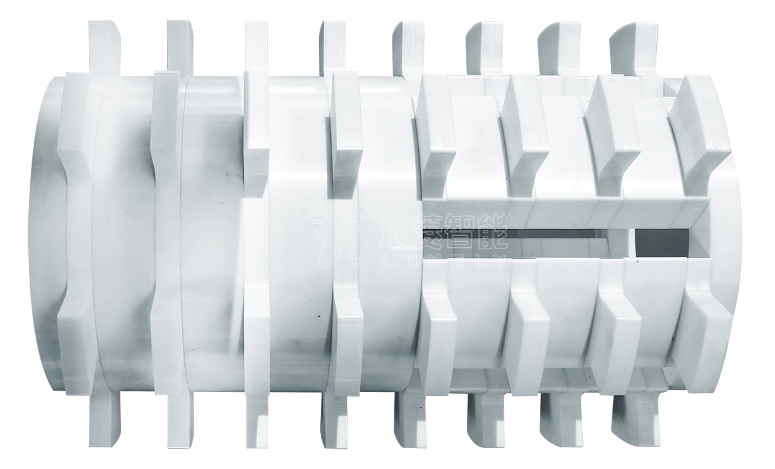
1. Zirconia
Used to prevent metal contamination of materials or materials with high color requirements.
Application: MLCC, 5G ceramics, carbon nanotubes, printing ink, printing ink, etc.
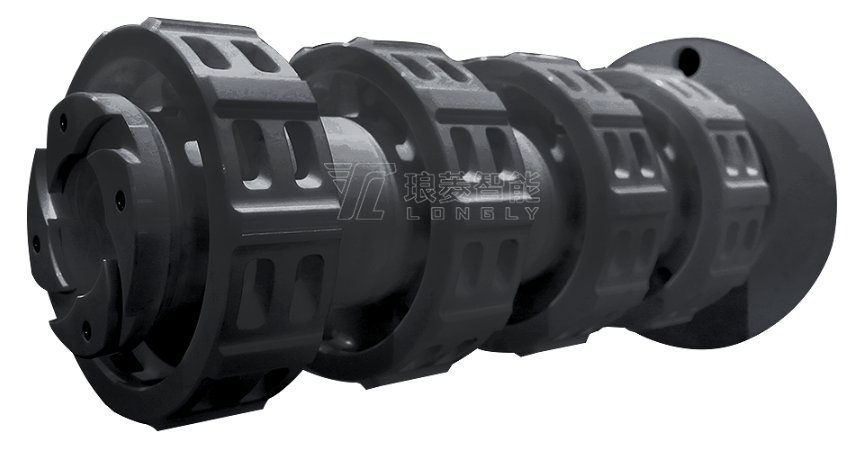
2. Silicon Carbide
Suitable for hard non-corrosive water system or alcohol materials;
Application: silicon carbon anode, ceramic ink, etc.
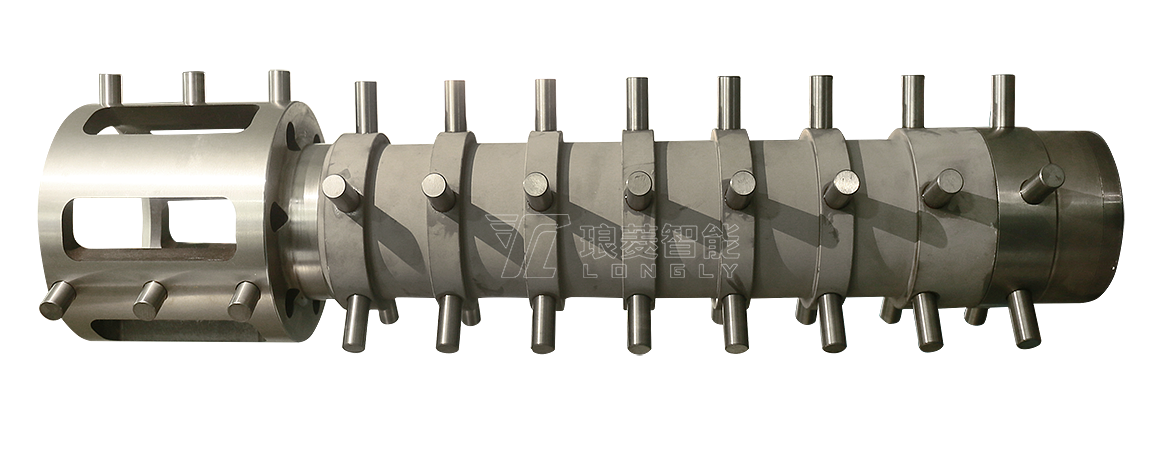
 3. Tungsten carbide
High hardness/high wear/high temperature resistance, can withstand strong impact and wear;
Application: paint, feed, ink, pesticide, etc.
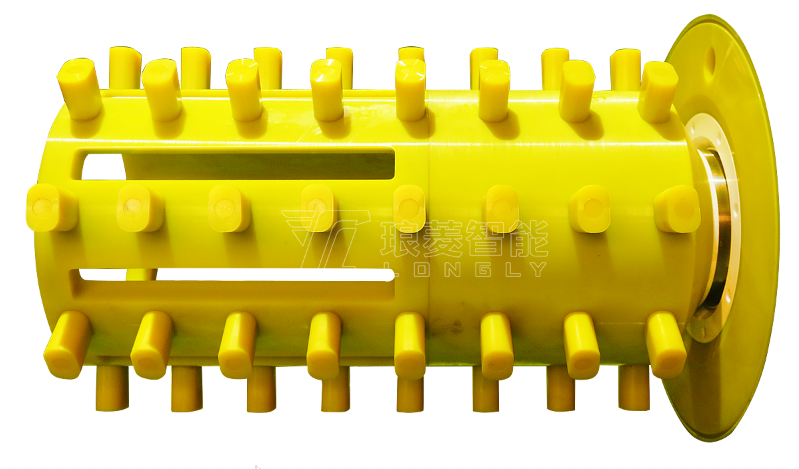
4, polyurethane (PU) polymer
A material consisting of a compound of relatively high molecular weight
Application: lithium iron phosphate, alumina, etc.
Zirconia is widely used at present, and it is also a mature ceramic accessory used in the sander. In the current process of more mature four diamond materials: zirconia, alumina, silicon carbide, silicon nitride, zirconia toughness is high. In the high speed rotating sander, as a rotor advantage is more obvious. Because of the high-speed rotation process, the rotor and the material in the contact grinding process, it is easy to lead to cracks in ceramic parts, over time will cause ceramic parts fracture, only zirconia ceramics can meet the special use of toughness. No matter what material the rotor is made of, it will produce grinding impurities, but ceramic parts due to the wear resistance of the material, the content of impurities generated is lower than traditional steel and polyurethane. At the same time, the resulting impurity is zirconia, consistent with the material of zirconia beads, so it has little effect on the quality of the product. So zirconia rotor pollution is small, more suitable for medical, food industry grinding.




 Home
Home