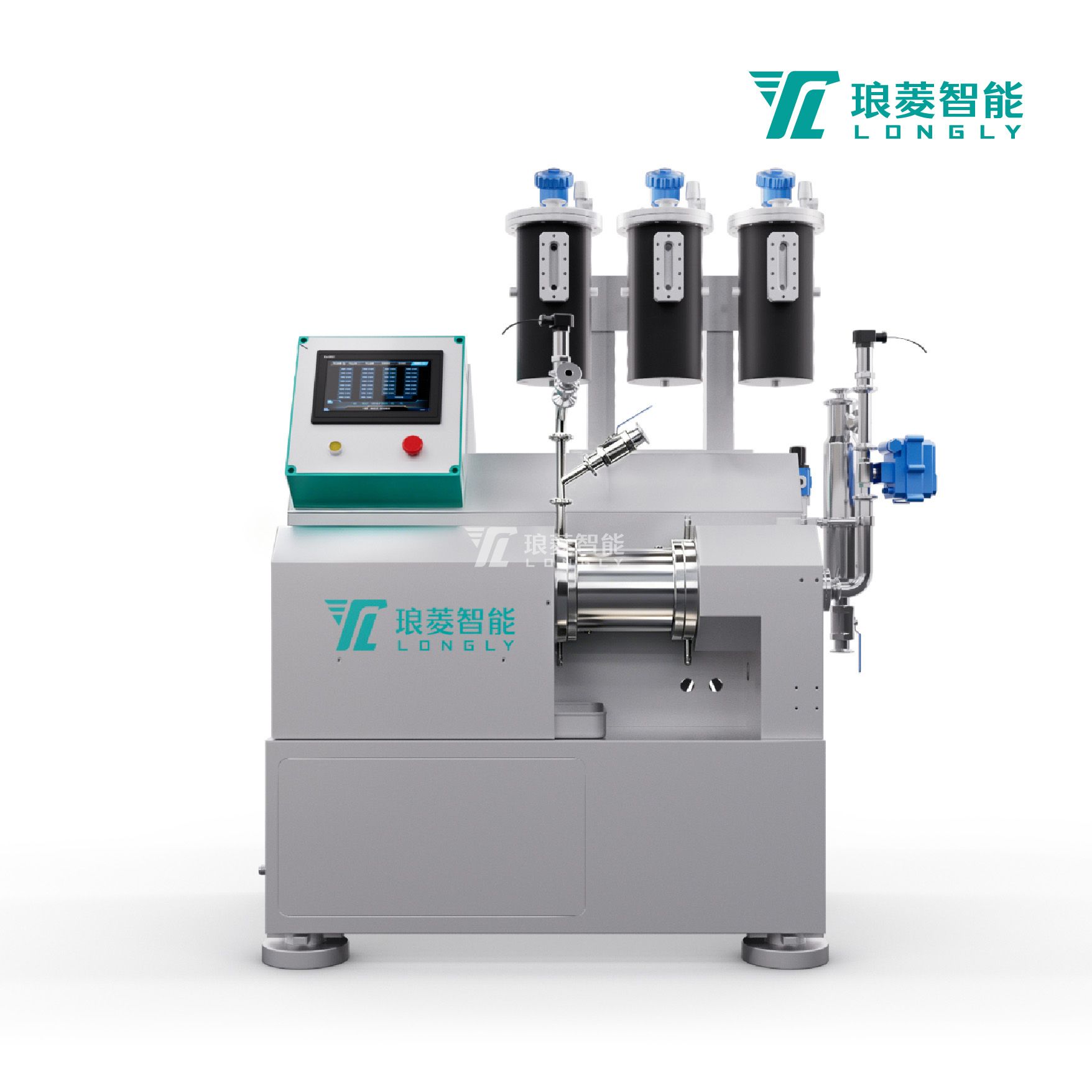
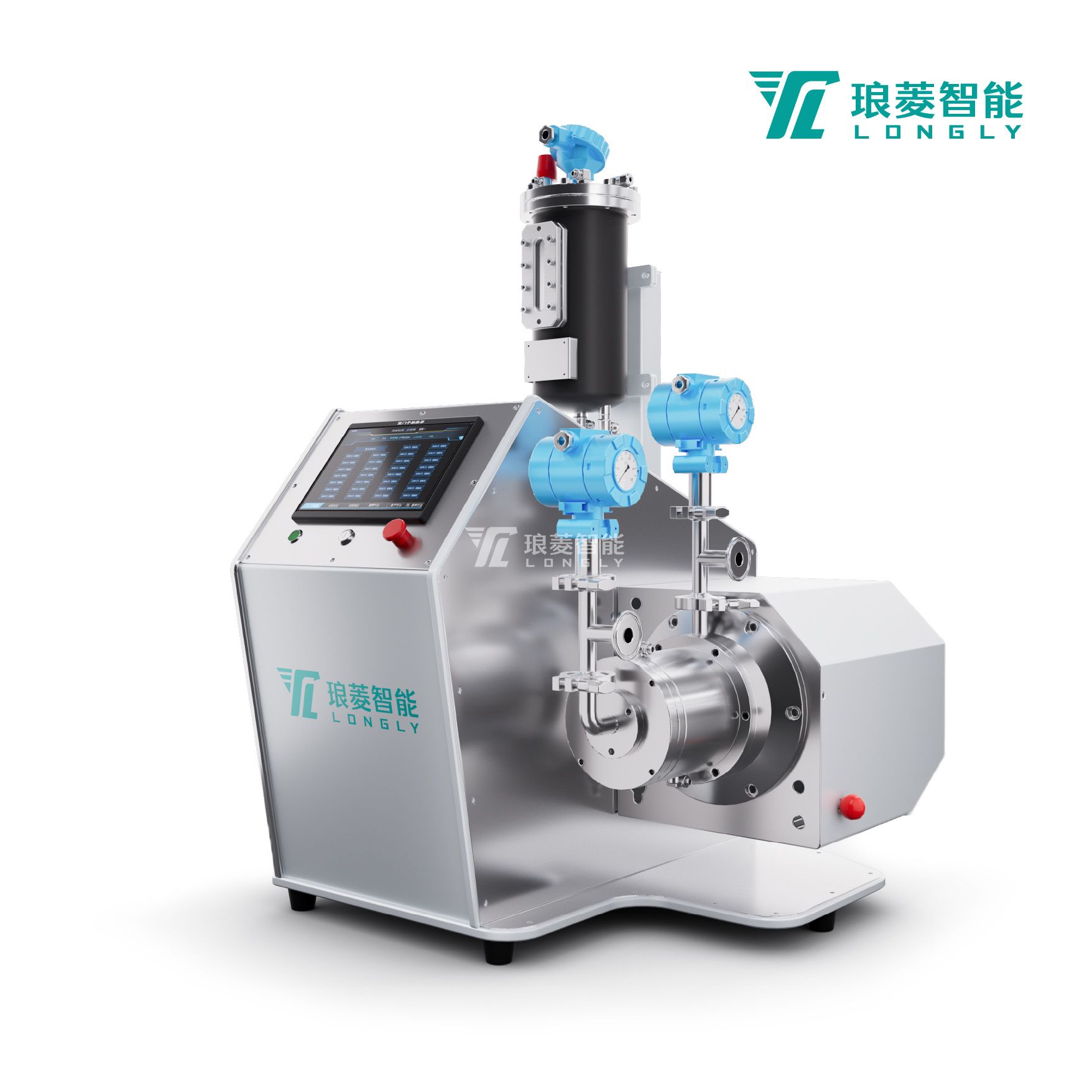
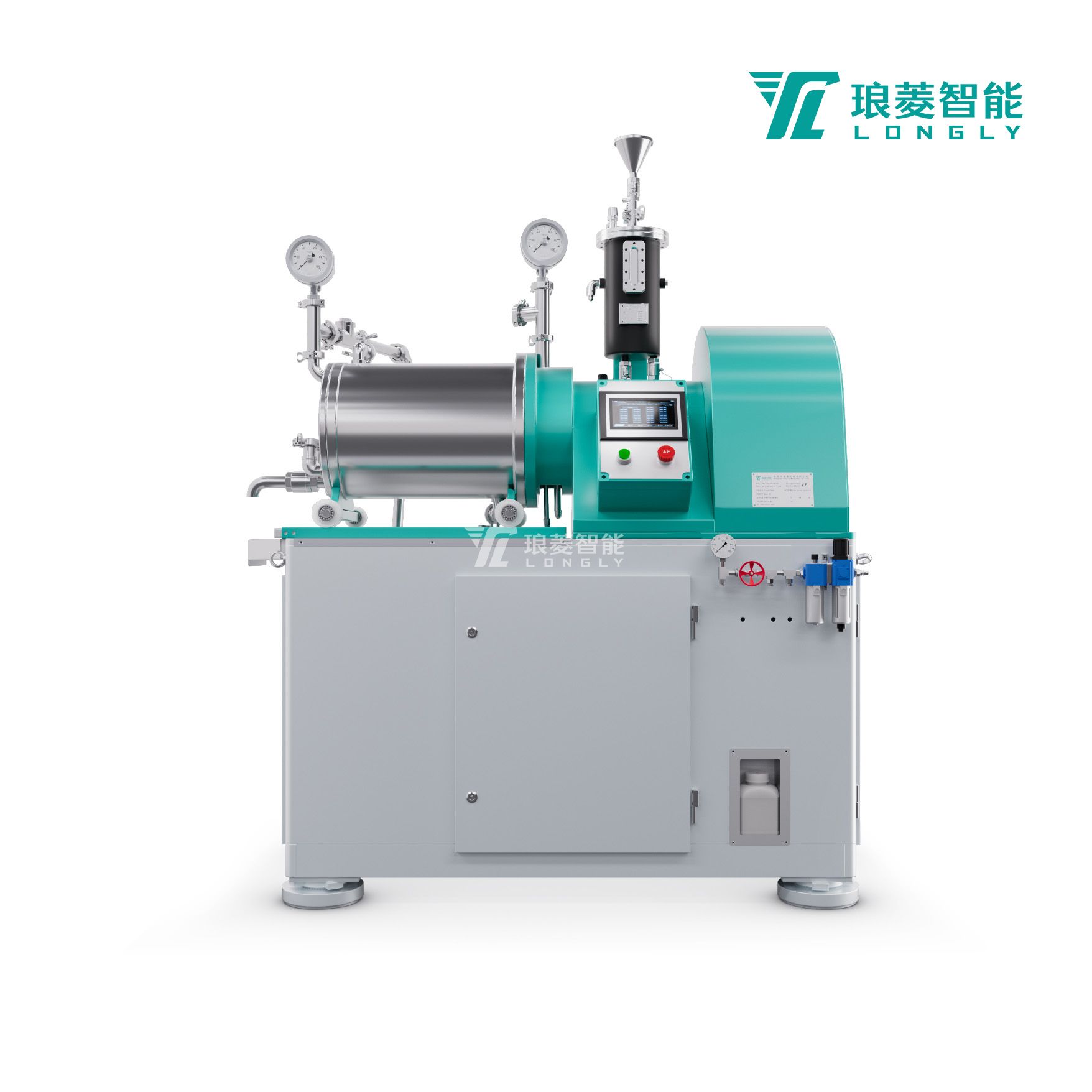
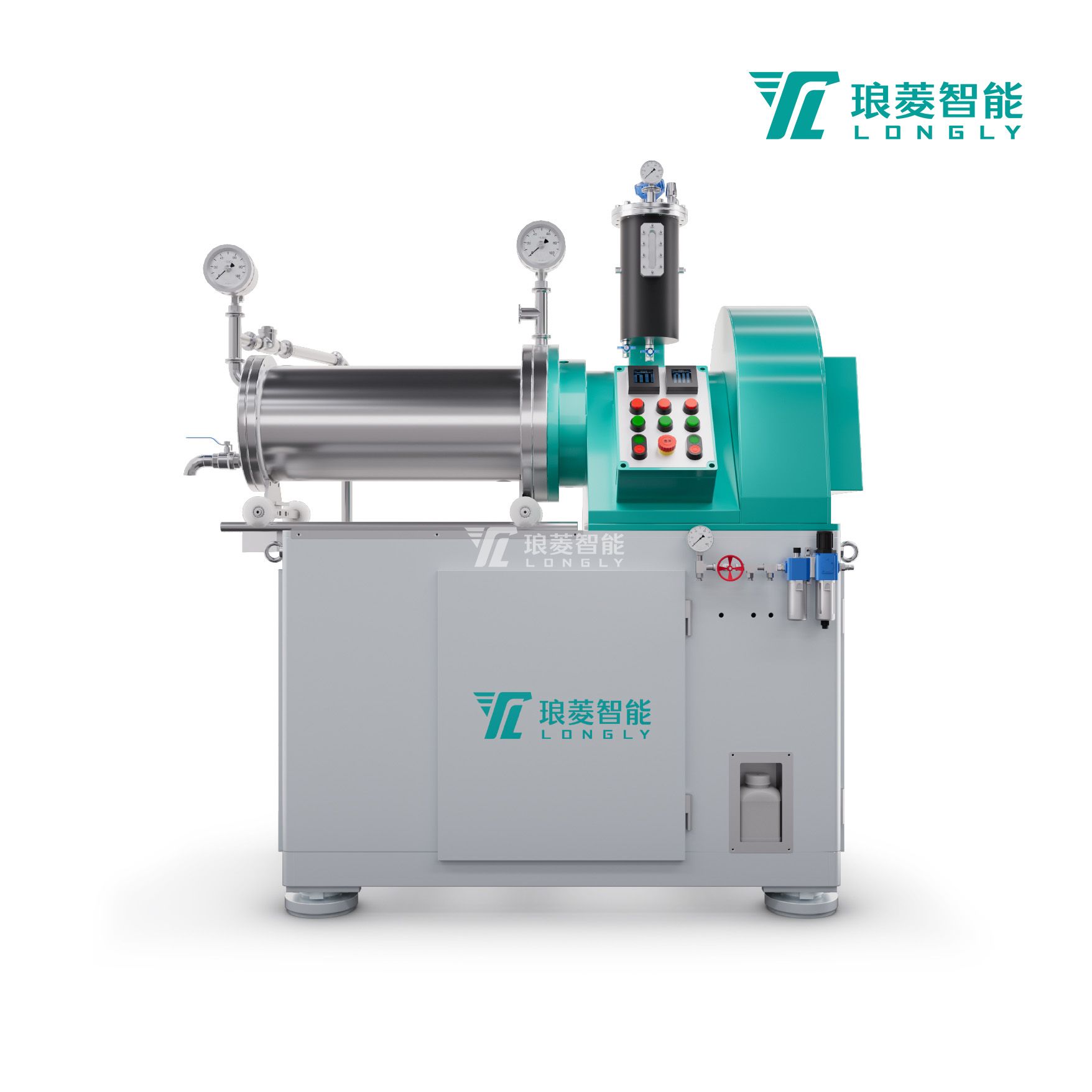
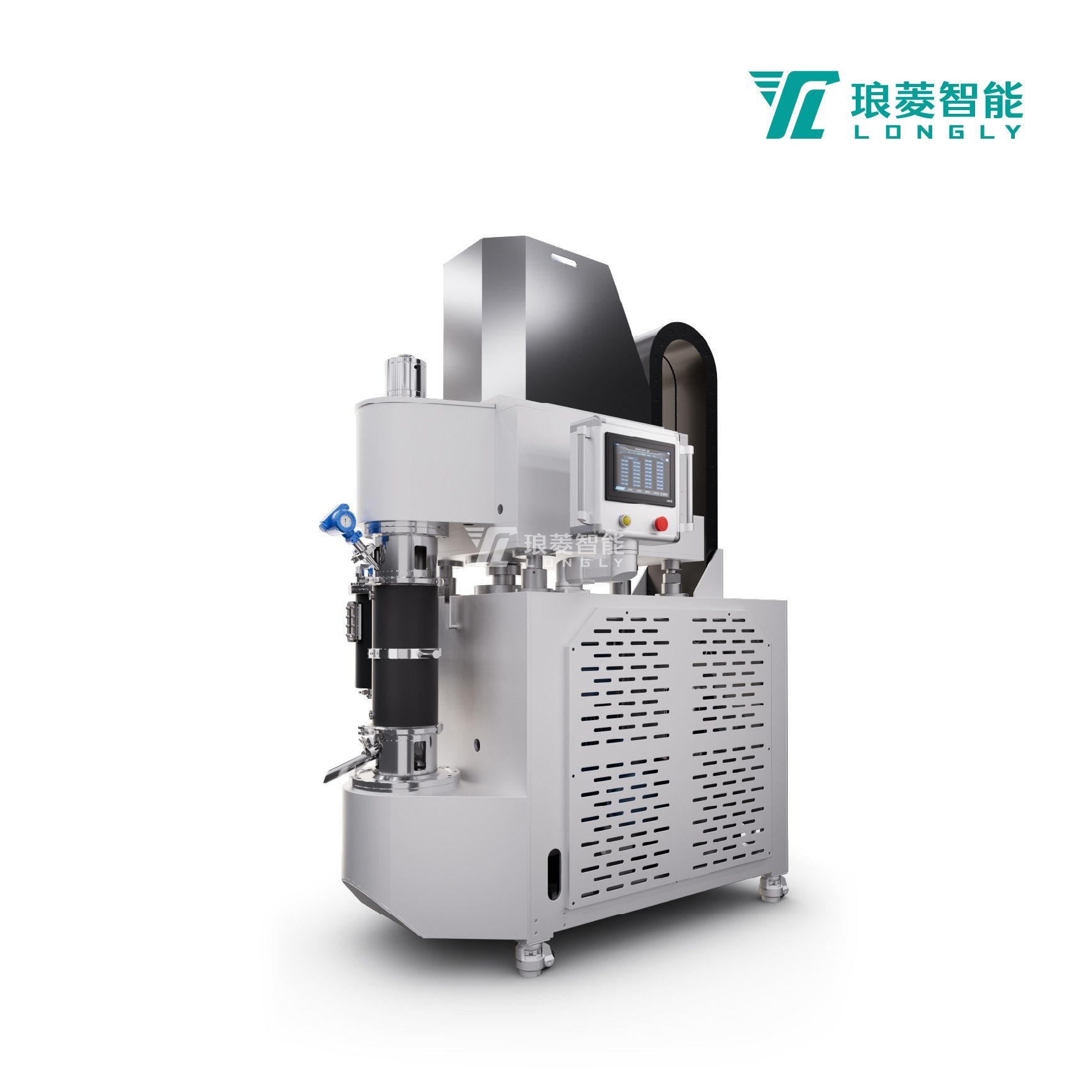
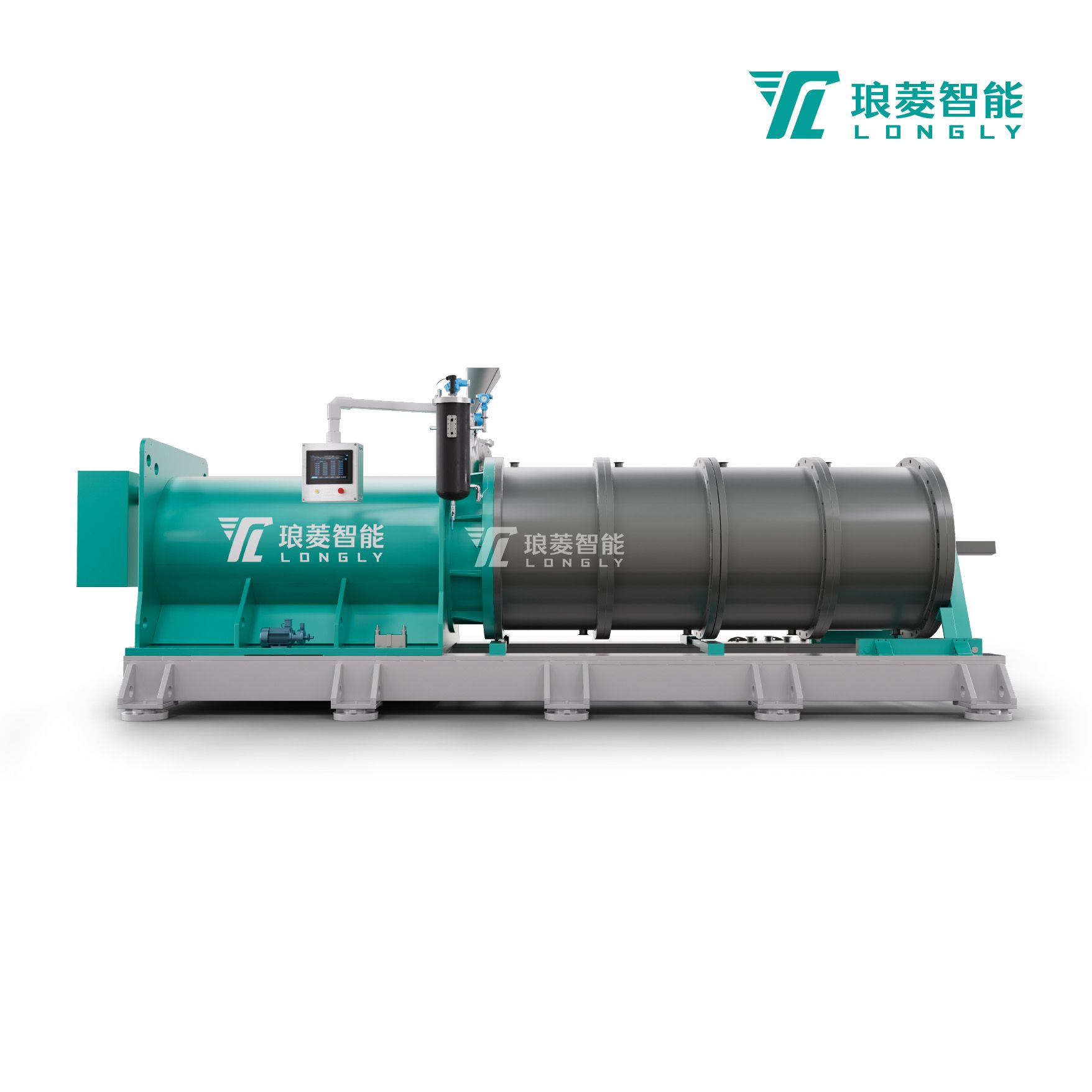
Ceramic ink is a suspension or emulsion containing some special ceramic powder, usually including ceramic powder, solvent, dispersant, binder, surfactant and other auxiliary materials. The Langling nano grinder can be used to print functional ceramic ink with inorganic pigment inkjet technology onto ceramic tiles, achieving personalization and functionalization of architectural ceramics. In 2000, a ceramic decorative inkjet printer for industrial use was introduced. The printer was developed by FERRO Corporation in the United States using the Kerajet system, and the ink was also a ceramic ink jointly developed by FERRO Corporation and Sail Corporation. At present, domestic manufacturers mainly include: Dow, Taozheng, Natural Baojie, Meiruisi, Ming Dynasty, Wanxing, Jinying, Kanglitai, Huilong, Sanrui, Fenglin, and Yongkun. The main foreign manufacturers include Ferro in the United States, Torricid in Spain, Esmal glass Itaca, and Colorob bia in Italy.
Ceramic powders, including inorganic non-metallic pigments, pigments, and glazes, are the core substances of ink, requiring a particle size of less than 1 micrometer, narrow particle size distribution, and no strong agglomeration between particles. They have good stability and are less affected by solvents and other substances.
Ceramic ink enables digital printing of ceramics, which utilizes inkjet technology to print functional ceramic ink onto ceramic tiles, enabling personalized and functional printing of architectural ceramics. The use of inkjet printing technology can significantly increase the added value of the product. At that time, the selection and use of nano sand mills became particularly important.







 Home
Home